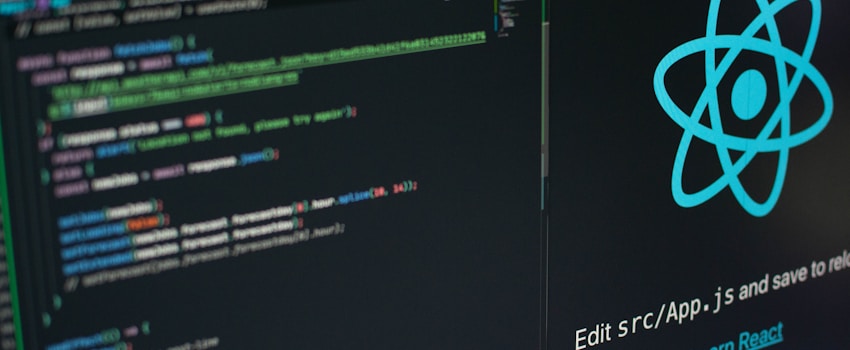
Exploring the Future of Web Development with AI and Edge Compute
Jane SmithPrincipal Frontend Architect
📅Oct 27, 2024
⏱5 min read
👁1420 views
"Discover the latest trends and technologies shaping the future of web development. From AI-powered developer workflows to edge-rendered serverless frameworks, learn what's next."
Web development is undergoing a seismic shift driven by artificial intelligence, edge computing, and modern compiler infrastructures. Developers are no longer just writing boilerplate HTML and CSS; they are orchestrating intelligent, distributed software systems.
1. The Convergence of AI and UI Generation
Generative AI and Large Language Models are drastically transforming how modern frontends are built and tested. From predictive UX personalization to automated accessibility audits, AI models are directly enhancing user interaction pipelines and reducing time-to-market for complex software suites.
2. Edge Rendering and Sub-Millisecond TTFB
Static pre-rendering combined with globally distributed Edge CDNs provides the best of both worlds: zero TTFB (Time to First Byte) latency for global users alongside instant search engine indexability. Web applications that prioritize edge compute pipelines achieve superior Core Web Vitals rankings and higher conversion metrics.
3. Type Safety and Zero-Bundle Overhead
With TypeScript becoming universal across full-stack systems, compile-time validation eliminates entire classes of runtime production bugs. Modern bundlers like Vite, Turbopack, and esbuild have reduced build times from minutes to seconds, unlocking unprecedented engineering velocity.
4. What Lies Ahead in 2025 and Beyond
As web standards continue to evolve, the boundaries between client-side compute, WebAssembly (Wasm), and browser-native neural models will blur, unlocking desktop-class graphics and AI capabilities directly in standard browsers without external plugins.